Meta Description: Ready for your first time car loan in the USA? Learn how to get approved, build credit, and drive away with confidence. Your complete beginner’s guide starts here! (157 characters)
Introduction
Buying your first car is exciting — but figuring out how to pay for it? That part can feel overwhelming fast. Whether you’re a recent grad, a new driver, or just never financed a vehicle before, getting a first time car loan doesn’t have to be a mystery.
The good news? Millions of Americans get approved for car loans every year with little or no credit history. With the right prep, you can walk into a dealership — or apply online — knowing exactly what to expect.
Let’s break it all down in plain, simple English.

What Is a First Time Car Loan?
A first time car loan is simply an auto loan taken out by someone who has never financed a vehicle before. Lenders see you as a higher risk because you have a limited (or no) credit history — but that doesn’t mean you’ll get rejected.
Many banks, credit unions, and dealerships have special programs built specifically for first-time buyers. You just need to know where to look and how to prepare.
How to Get a Car Loan With No Credit
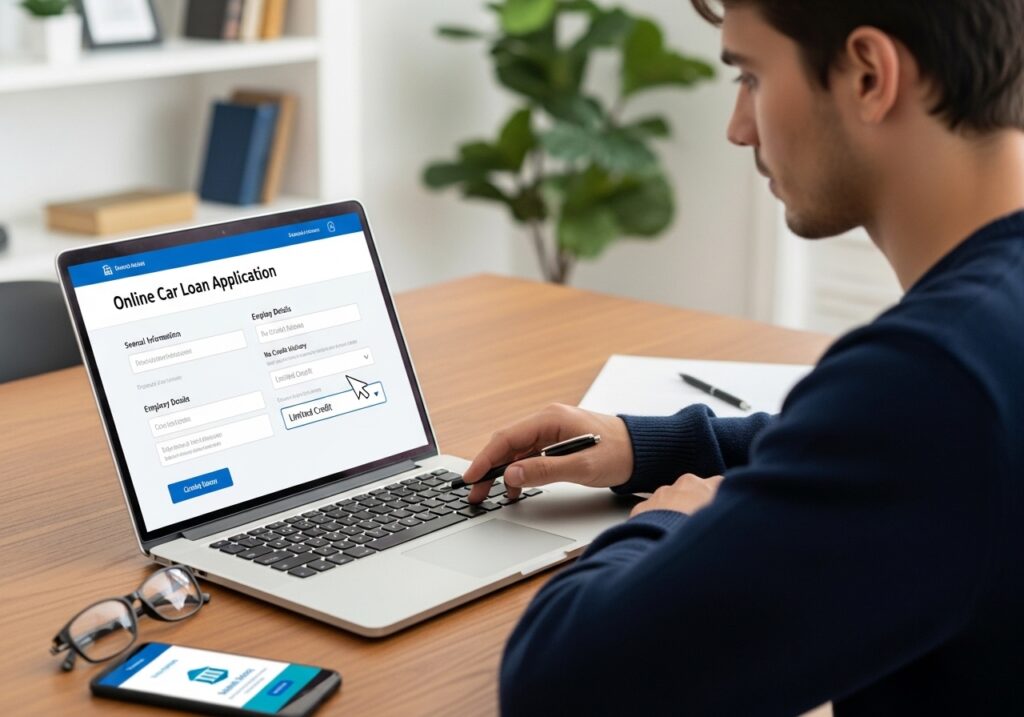
This is the question everyone asks — and yes, it is possible. Here’s how to get a car loan with no credit:
1. Apply Through a Credit Union
Credit unions are member-owned and tend to be far more flexible than big banks. If you have a local credit union account, that’s your best first stop.
2. Find a Co-Signer
Ask a parent, sibling, or trusted friend with good credit to co-sign your loan. Their credit history backs up your application, making lenders much more comfortable approving you.
3. Make a Larger Down Payment
Putting down 10–20% of the car’s price upfront reduces the lender’s risk. The bigger your down payment, the better your chances of getting approved — and the lower your monthly payments.
4. Look for “First-Time Buyer” Dealership Programs
Many dealerships partner with lenders who specialize in first-time buyers. Look for signs or ask the finance manager directly — these programs are more common than you think.
5. Consider a Secured Credit Card First
If you have a few months before you need the car, open a secured credit card, make small purchases, and pay it off monthly. Even 3–6 months of history can boost your approval odds dramatically.
Understanding Your Credit Score Before You Apply
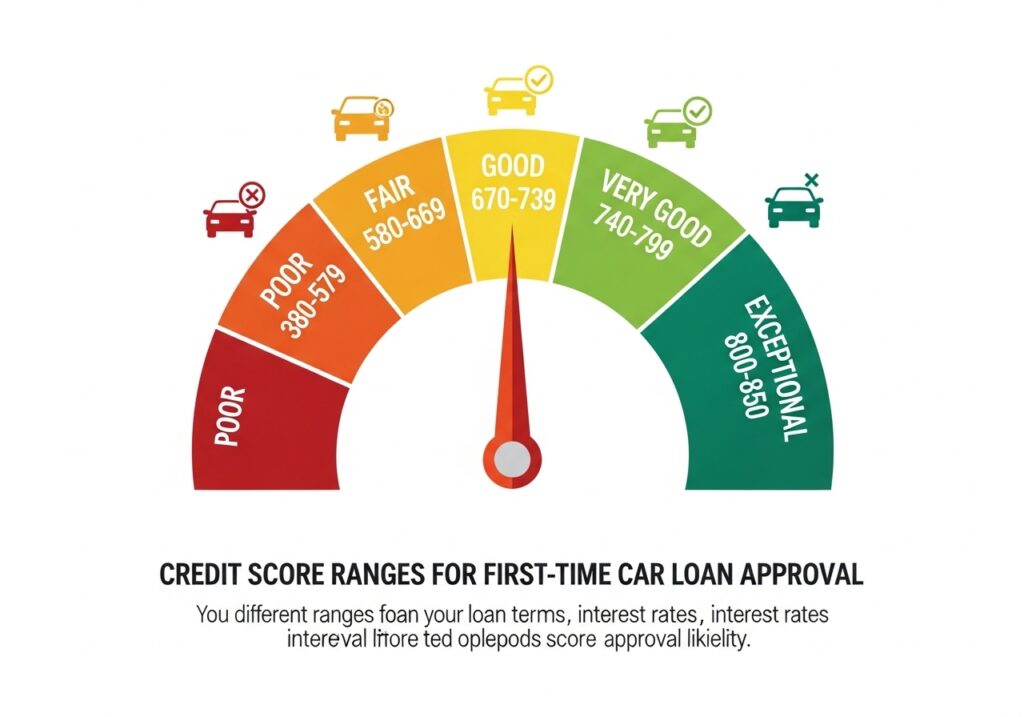
Your credit score is a number between 300 and 850. Lenders use it to decide whether to approve you and at what interest rate.
Here’s a rough breakdown:
- 720–850 — Excellent. Best rates available.
- 660–719 — Good. Still solid approval odds.
- 580–659 — Fair. You may get approved with higher interest.
- Below 580 — Subprime. You’ll likely need a co-signer or larger down payment.
No credit score at all? That falls under “no credit history,” which is actually different from bad credit. Some lenders see it as a blank slate — not a red flag.
First Time Car Loan Requirements: What Lenders Look For
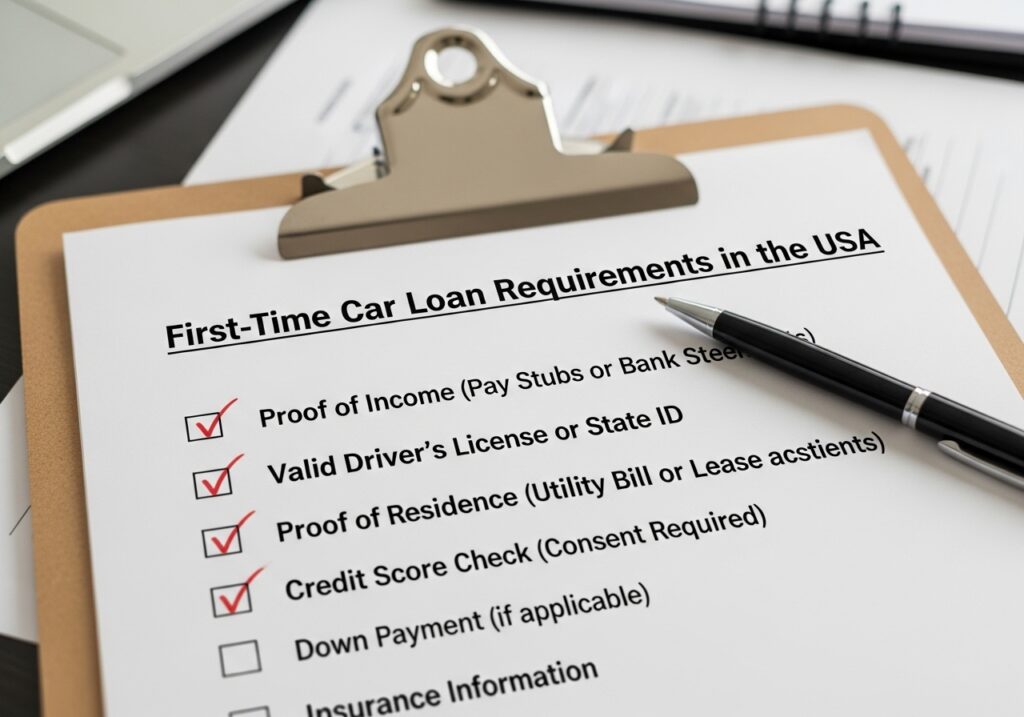
Even without a credit history, lenders want to see that you’re a responsible borrower. Here’s what they typically check:
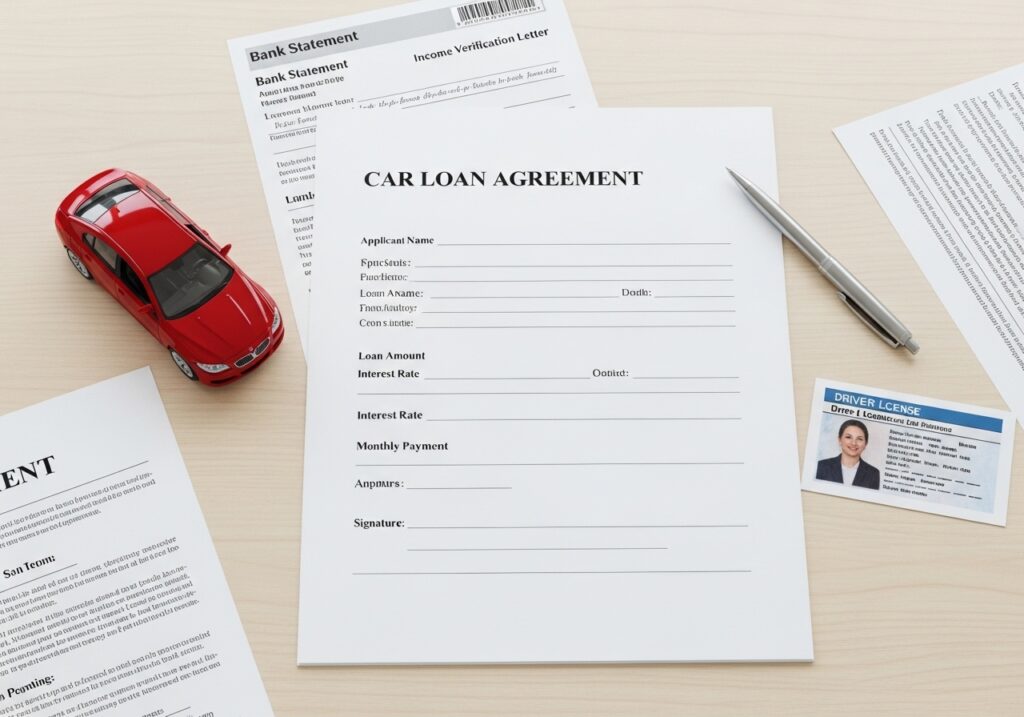
- Proof of income — Pay stubs, bank statements, or a job offer letter
- Proof of residence — A utility bill or lease agreement
- Valid driver’s license — Obviously!
- Social Security Number — Required for most U.S. lenders
- Down payment — Usually 10–20% for first-time buyers
- Debt-to-income ratio — Your monthly debts shouldn’t exceed 40–50% of your income
Meeting these basics puts you in a much stronger position before you even walk in the door.
What Interest Rate Should You Expect?
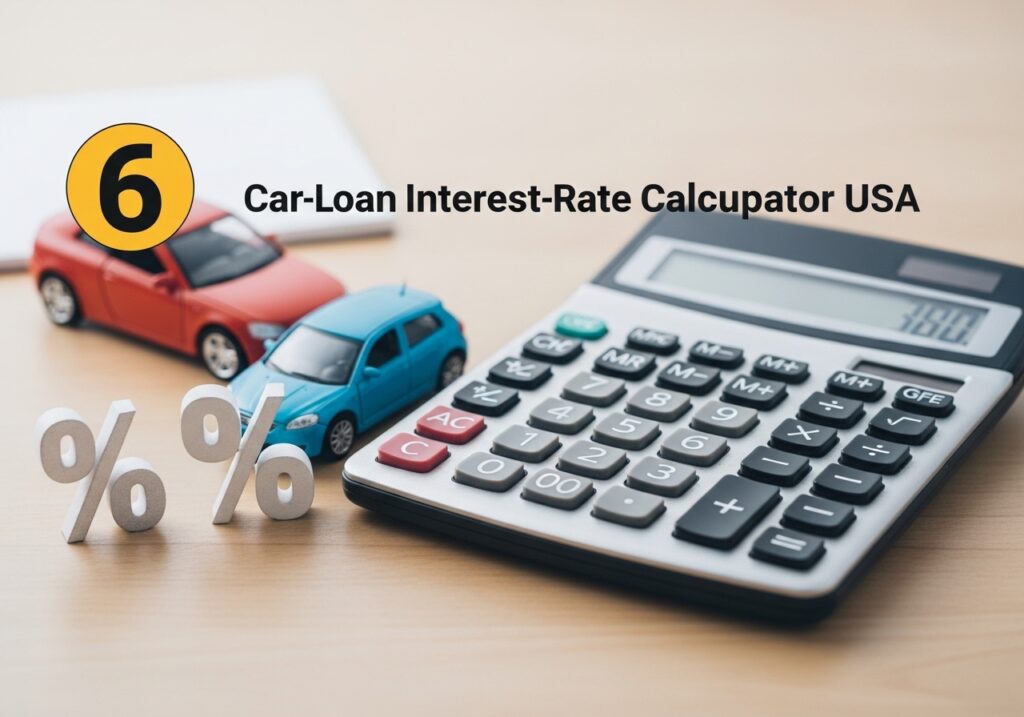
Interest rates for first-time buyers are typically higher than average — because you’re considered a risk. Here’s a general idea of what to expect in the USA:
- Excellent credit: 5–7% APR
- Good credit: 8–12% APR
- No credit / Fair credit: 12–20% APR or higher
The interest rate affects how much you actually pay over the life of the loan. A $15,000 car at 20% APR over 60 months costs significantly more than the same car at 8% APR. Always calculate the total cost, not just the monthly payment.
New Car vs. Used Car: Which Is Smarter for First-Time Buyers?
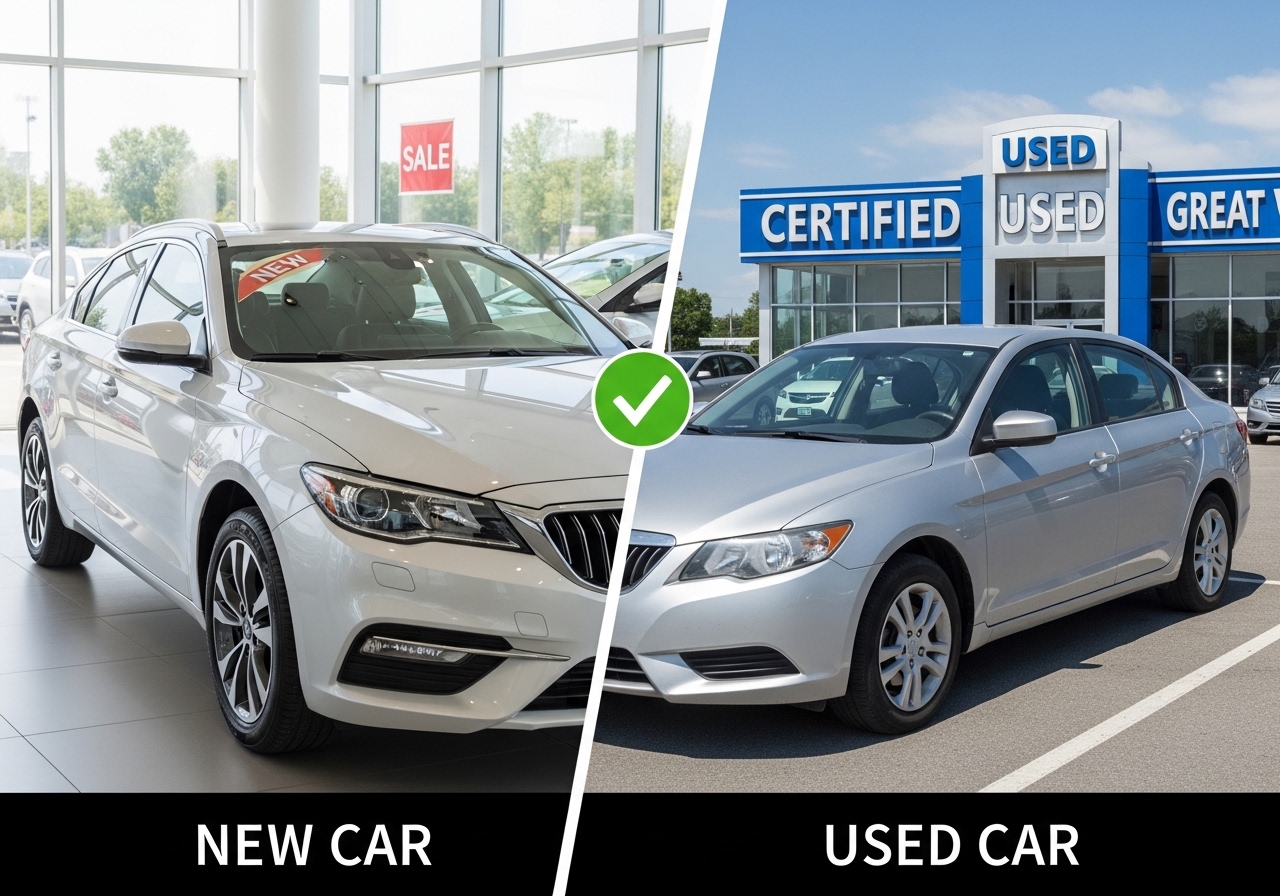
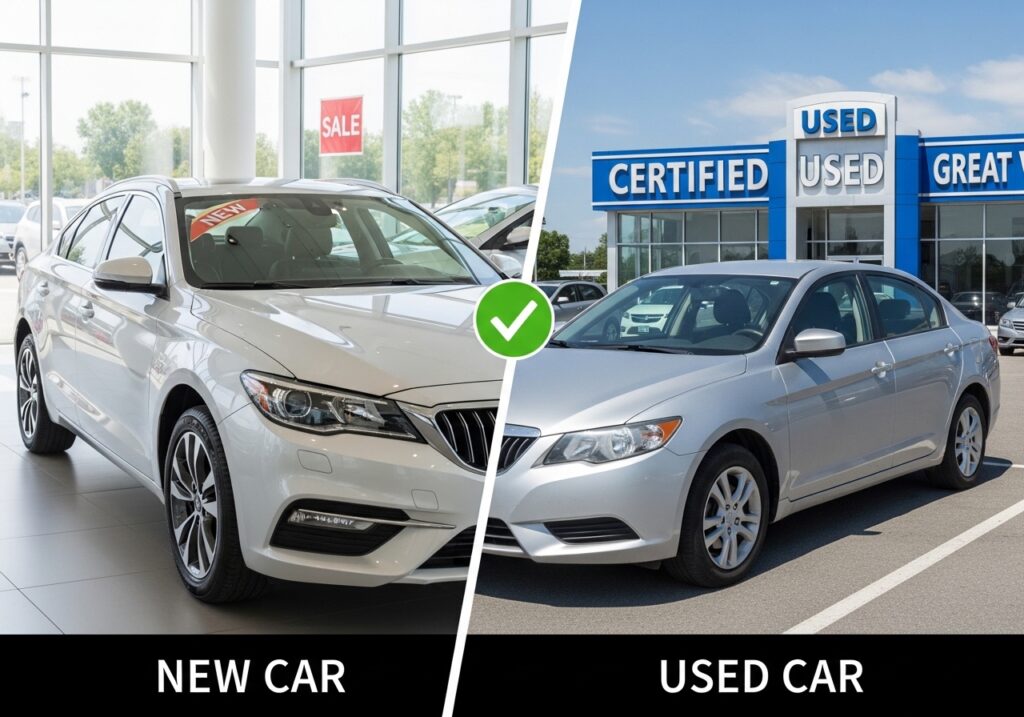
Honestly? For most first-time buyers, a used car is the smarter financial move.
Here’s why:
- Used cars cost less upfront and depreciate slower
- Insurance premiums tend to be lower
- Lenders offer shorter loan terms, so you pay less interest overall
- It’s less stressful if you’re still learning to drive or park in tight spots!
That said, some new car deals come with 0% APR financing promotions — especially for models with lower demand. If you find one of those, run the numbers carefully.
Tips to Get the Best Deal on Your First Car Loan
Getting approved is one thing — getting a good deal is another. Here are some smart moves:
- Get pre-approved before you shop. This shows dealers you’re serious and gives you a baseline rate to negotiate against.
- Don’t focus only on monthly payments. A longer loan term lowers your payment but increases total interest paid.
- Compare at least 3 lenders. Banks, credit unions, and online lenders all offer different rates. Shop around.
- Negotiate the car price first, then financing. Don’t let the dealer bundle the two together.
- Avoid add-ons you don’t need. Extended warranties, gap insurance, and paint protection can quietly add thousands to your loan.

Internal Linking Suggestions
Use these anchor texts to link to relevant pages on your website:
- “how to improve your credit score fast” → Link to a credit-building tips article
- “best used cars for first-time buyers in the USA” → Link to a car buying guide
- “understanding auto loan interest rates” → Link to a finance/loan explainer post
Conclusion
Getting your first car loan in the USA might feel like a big mountain to climb — but it really comes down to preparation and knowing your options.
Start by checking your credit (or building it), save up a down payment, gather your documents, and compare lenders before you commit. Whether you use a co-signer, apply through a credit union, or take advantage of a dealership program, there’s a path that works for you.
Your first car is closer than you think. Do your homework, stay patient, and don’t let anyone rush you into a deal that doesn’t feel right.
Ready to take the next step? Use a free online auto loan calculator to see what your monthly payments might look like before you apply — it takes less than 2 minutes.
FAQs: First Time Car Loans in the USA
Q1. Can I get a first time car loan with no credit history? Yes! Many credit unions and dealerships offer first-time buyer programs designed for people with no credit. A co-signer or larger down payment also improves your chances significantly.
Q2. What credit score do I need for a car loan? There’s no universal minimum, but a score of 600+ gives you more options. Some lenders approve buyers with scores as low as 500, though the interest rates will be higher.
Q3. How much should I put down on my first car loan? Aim for at least 10–20% of the car’s price. A higher down payment lowers your monthly payment, reduces total interest, and shows lenders you’re financially responsible.
Q4. Is it better to get a car loan from a bank or dealership? Both have pros and cons. Banks and credit unions often offer lower interest rates. Dealerships are more convenient but may mark up rates. Always compare both before signing anything.
Q5. How long does it take to get approved for a first time car loan? Pre-approval through a bank or credit union can take anywhere from a few minutes to a couple of days. Dealership financing is often same-day. Having your documents ready speeds up the process.